
About Us
JP Electrical & Controls has emerged as one of India’s leading cable tray manufacturers, with a strong presence in Delhi NCR and across the country.
JP Electrical & Controls has emerged as one of India’s leading cable tray manufacturers, with a strong presence in Delhi NCR and across the country.
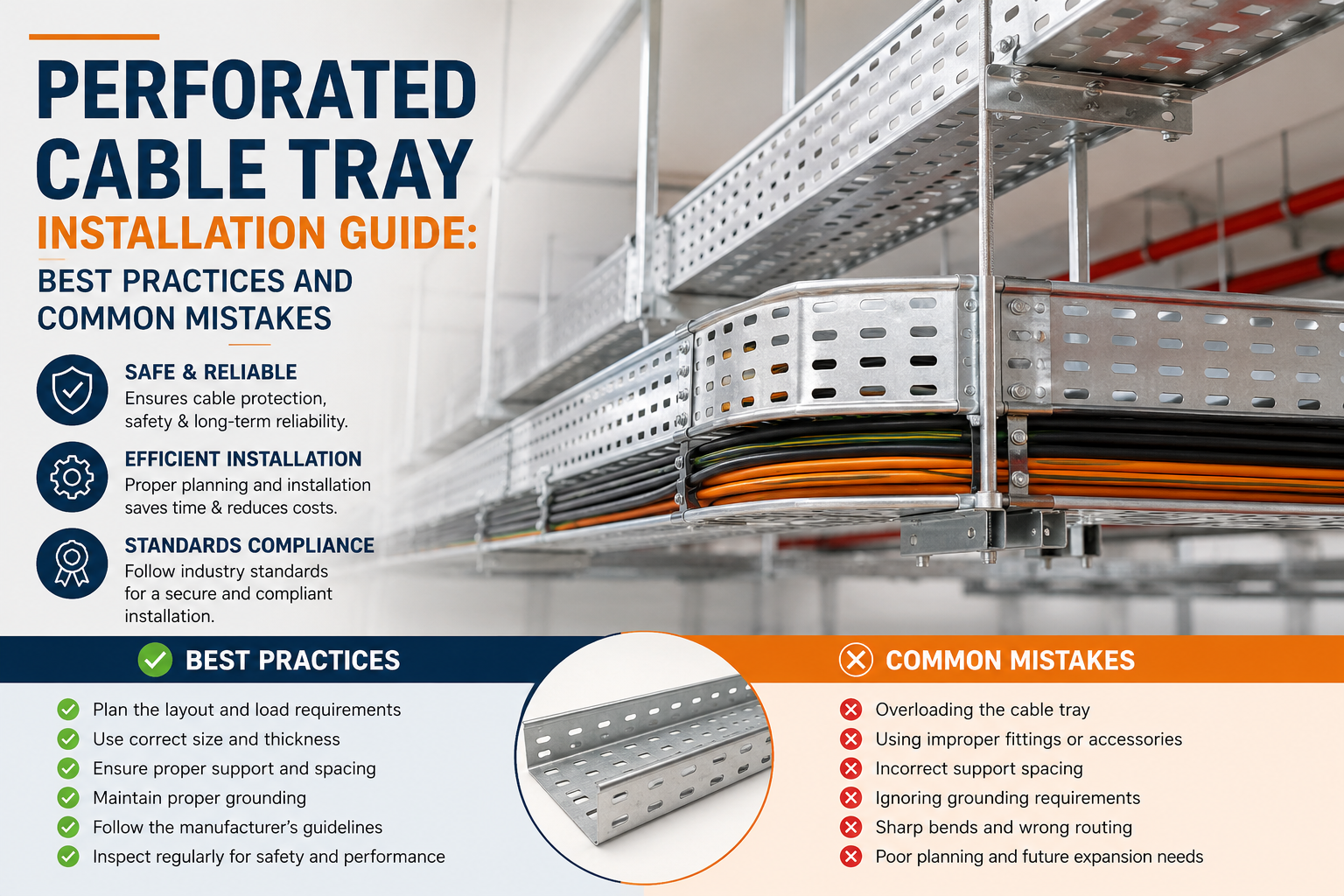
Proper cable management is essential for safe, organized, and efficient electrical installations. A Perforated Cable Tray provides a practical solution for supporting and routing electrical cables in industrial, commercial, and infrastructure projects. With its perforated design, the tray offers good ventilation, easy cable placement, and convenient installation. JP Electrical & Controls provides reliable cable management solutions designed to meet the requirements of modern electrical installations. In this guide, we explain the key installation practices and common mistakes to avoid when installing a perforated cable tray. What Is a Perforated Cable Tray? A perforated cable tray is a cable support system manufactured with openings or perforations along its base and sides. These openings help improve ventilation and provide convenient points for cable fastening. Perforated cable trays are commonly used in: Industrial plants Commercial buildings Data centers Power plants Manufacturing facilities Warehouses Infrastructure projects Electrical control rooms The correct tray size, material, thickness, and accessories should be selected according to the project requirements and applicable electrical standards. Perforated Cable Tray Installation Guide 1. Plan the Cable Route Before installation, carefully inspect the proposed cable route. Determine where the tray will start and end, and identify bends, vertical sections, equipment connections, and changes in direction. Proper planning helps reduce unnecessary bends and makes future maintenance easier. 2. Select the Correct Tray Size Choose a tray with sufficient width and load capacity for the cables being installed. Avoid overcrowding the tray because excessive cable concentration can affect ventilation and make maintenance difficult. Allow suitable spare capacity for future cable additions where the project requires it. 3. Install Proper Supports Cable trays need adequate support to maintain structural stability. Support spacing should be determined according to the tray design, cable load, installation environment, and applicable standards. Use appropriate brackets, supports, clamps, and mounting hardware for the installation. 4. Maintain Proper Alignment Ensure that individual tray sections are properly aligned and securely connected. Uneven or poorly aligned sections can create installation problems and may place unnecessary stress on cables. Check horizontal and vertical alignment throughout the complete route. 5. Use Suitable Accessories Accessories such as bends, tees, reducers, crosses, couplers, brackets, and support systems help create a professional cable tray installation. Using compatible accessories also helps maintain the mechanical strength and appearance of the cable management system. 6. Maintain Cable Separation Where required by the project design and applicable standards, separate power, control, instrumentation, and communication cables appropriately. Proper separation can help reduce interference and improve system organization. 7. Protect Cables at Entry and Exit Points Cable edges and tray transitions should be checked carefully to prevent damage to cable insulation. Where necessary, use suitable protective accessories or finishing methods around cable entry and exit points. 8. Check Earthing and Bonding Metallic cable tray systems may require bonding and earthing according to the applicable electrical design and local standards. Verify continuity across tray sections and ensure the installation follows the project's electrical safety requirements. Common Perforated Cable Tray Installation Mistakes Even a high-quality tray system can perform poorly if installation is not carried out correctly. Some common mistakes include: Overloading the Cable Tray Installing too many heavy cables can exceed the tray's designed load capacity. Always consider cable weight and support requirements before installation. Incorrect Support Spacing Insufficient or improperly positioned supports can cause tray deflection. Follow the manufacturer's recommendations and project specifications for support arrangements. Poor Cable Organization Randomly placed cables make troubleshooting and maintenance difficult. Arrange cables neatly and use suitable cable ties or fastening systems where appropriate. Ignoring Future Expansion A tray installed with no additional capacity may become difficult to manage when new cables are added. Consider future requirements during the design stage. Using Incorrect Accessories Improper bends, couplers, supports, or fasteners can compromise the installation. Use accessories compatible with the selected cable tray system. Neglecting Earthing and Bonding For metallic tray systems, electrical bonding and earthing requirements should not be overlooked. Installation should follow the relevant standards and project specifications. Best Practices for Perforated Cable Tray Installation For a reliable and long-lasting installation, consider these best practices: Plan the complete cable route before installation. Select the correct tray width, thickness, and material. Follow recommended support spacing. Avoid excessive cable loading. Keep cables organized and accessible. Use compatible tray accessories. Maintain required cable separation. Inspect joints and connections carefully. Follow project specifications and applicable electrical standards. Provide adequate space for maintenance and future expansion. Why Choose JP Electrical & Controls? JP Electrical & Controls offers cable management solutions for a wide range of electrical and industrial applications. The company focuses on providing practical cable tray solutions for organized and efficient cable routing. Whether you require a Perforated Cable Tray, GI cable tray, ladder cable tray, or other cable management products, selecting the right product and installation method is important for achieving a safe and durable electrical system. Conclusion A properly installed Perforated Cable Tray can improve cable organization, ventilation, accessibility, and overall electrical system management. However, correct planning, tray selection, support installation, cable arrangement, and earthing practices are essential for dependable performance. By avoiding common installation mistakes and following recommended best practices, businesses can create a cleaner, safer, and more maintainable cable management system. JP Electrical & Controls provides cable management solutions suitable for modern industrial, commercial, and infrastructure requirements.
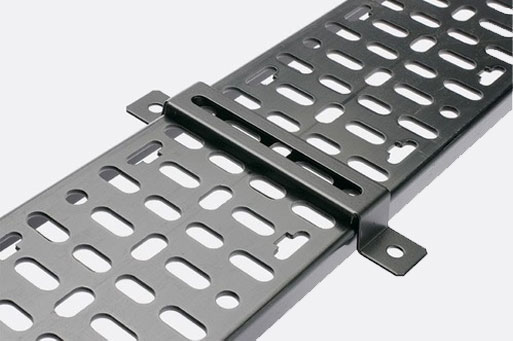
As electrical systems become more complex, the need for organized and adaptable cable management solutions continues to grow. Bolted Cable Trays offer flexibility, ease of installation, and excellent structural performance, making them a popular choice for a wide range of industrial and commercial applications. At JP Electrical & Controls, we provide premium-quality bolted cable trays engineered for reliability and convenience. What is a Bolted Cable Tray? A bolted cable tray is a cable support system assembled using nuts, bolts, and fasteners instead of permanent welding. This modular construction allows for easier transportation, installation, modification, and maintenance. Benefits of Bolted Cable Trays 1. Easy Installation Bolted cable trays are simple to assemble on-site, reducing installation time and labor costs. 2. Flexibility and Customization The modular design allows users to modify or expand the cable tray system as project requirements evolve. 3. Convenient Maintenance Sections can be disassembled and replaced individually, simplifying maintenance and reducing downtime. 4. Cost-Effective Transportation Since bolted cable trays can be shipped in separate components, transportation and storage become more efficient. 5. Strong Structural Performance Despite their modular design, bolted cable trays offer excellent load-bearing capabilities when properly installed. Common Applications Bolted cable trays are ideal for: Commercial buildings Industrial facilities Data centers Hospitals Educational institutions Telecommunications infrastructure Renewable energy projects Why Industries Prefer Bolted Cable Trays Many organizations choose bolted cable trays because they provide a balance between strength and adaptability. Their ability to accommodate future modifications makes them especially valuable in facilities where expansion and upgrades are expected. Why Choose JP Electrical & Controls? JP Electrical & Controls is committed to delivering reliable cable management solutions that meet modern industry demands. What Sets Us Apart? Premium-grade materials Precision engineering Customized solutions Competitive pricing Quality assurance Dedicated customer support Conclusion Bolted cable trays offer flexibility, easy installation, and efficient cable management for a wide range of applications. Their modular structure makes them an excellent choice for projects requiring future expansion and easy maintenance. Trust JP Electrical & Controls to provide high-performance bolted cable tray solutions that enhance safety, organization, and operational efficiency. Contact JP Electrical & Controls today to learn more about our complete range of cable management products.
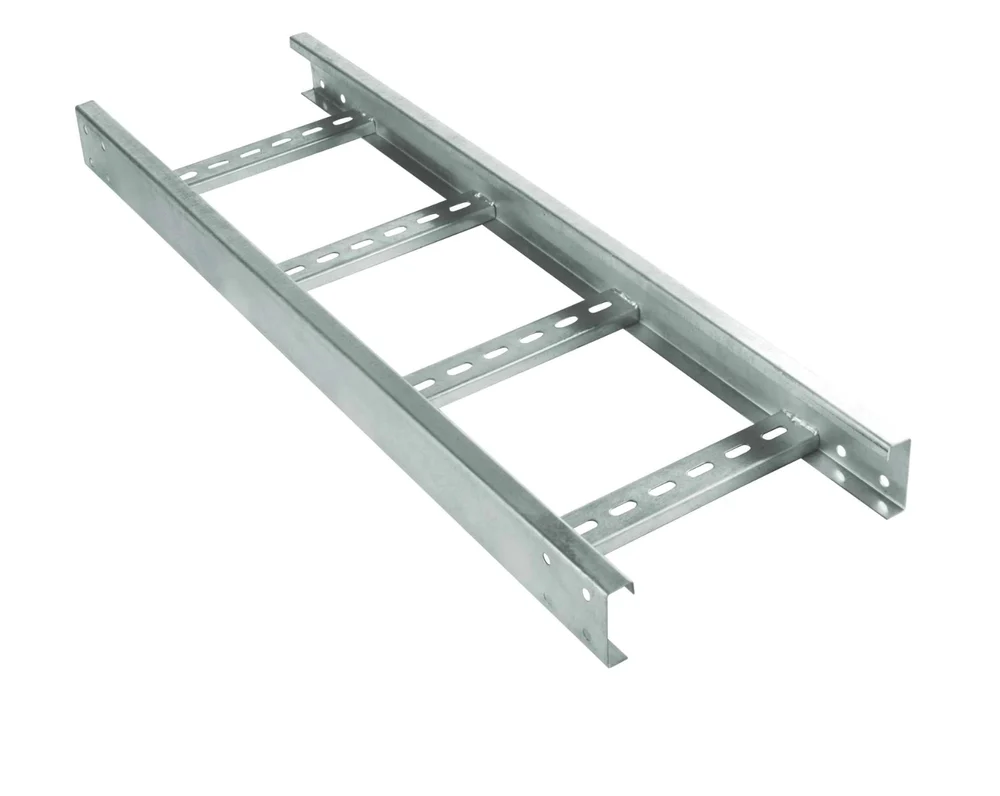
In today's industrial and commercial environments, effective cable management is essential for ensuring safety, organization, and long-term operational efficiency. Among the various cable support systems available, Welded Cable Trays stand out as one of the most robust and dependable solutions. At JP Electrical & Controls, we provide high-quality welded cable trays designed to meet the demanding requirements of modern electrical installations. What is a Welded Cable Tray? A welded cable tray is a cable support system manufactured by permanently welding steel wires or metal components together to create a rigid and durable structure. The welded design provides exceptional strength, making it suitable for supporting heavy cable loads in industrial, commercial, and infrastructure projects. Key Features of Welded Cable Trays 1. Superior Strength and Durability The welded construction creates a strong framework capable of handling substantial cable loads without deformation. This makes welded cable trays ideal for harsh industrial environments. 2. Excellent Cable Ventilation The open design allows proper airflow around cables, helping to dissipate heat and improve cable performance and lifespan. 3. Low Maintenance Requirements Due to their rigid construction and corrosion-resistant finishes, welded cable trays require minimal maintenance over their service life. 4. Enhanced Safety Proper cable support reduces the risk of cable damage, electrical faults, and workplace hazards. 5. Cost-Effective Long-Term Solution Although designed for heavy-duty applications, welded cable trays offer excellent value by reducing maintenance costs and extending cable life. Applications of Welded Cable Trays Welded cable trays are widely used in: Manufacturing plants Power generation facilities Data centers Commercial buildings Oil and gas industries Infrastructure and utility projects Renewable energy installations Why Choose JP Electrical & Controls? At JP Electrical & Controls, welded cable trays manufacturer using premium-quality materials and advanced fabrication techniques. Our products are designed to meet industry standards while delivering exceptional performance, reliability, and longevity. Our Advantages: High-quality manufacturing standards Corrosion-resistant finishes Custom sizes and configurations Competitive pricing Timely delivery Expert technical support Conclusion Welded cable trays provide a strong, durable, and efficient cable management solution for demanding electrical installations. Their superior strength, safety, and long service life make them a preferred choice across various industries. Partner with JP Electrical & Controls for reliable welded cable tray systems that ensure organized and secure cable routing for your projects. For more information about our welded cable tray solutions, contact JP Electrical & Controls today.
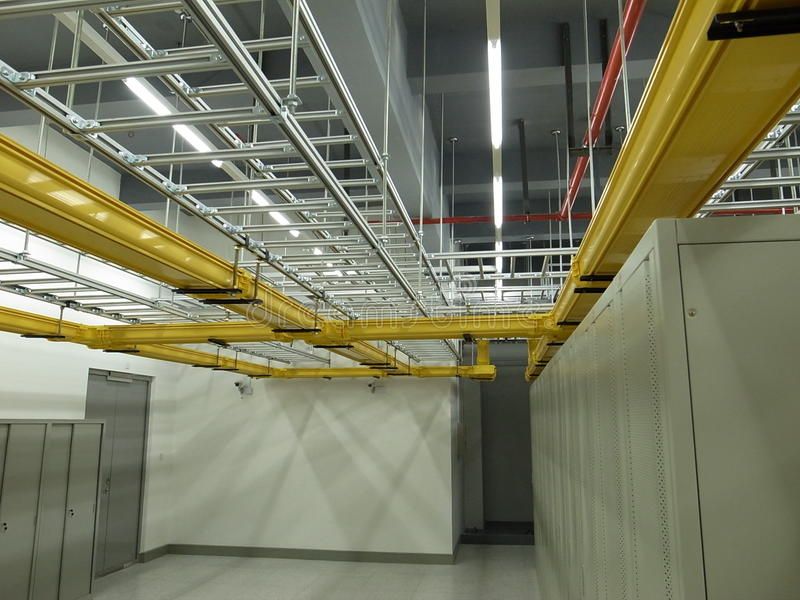
In today’s fast-growing industrial and commercial sectors, organized cable management is more important than ever. A well-designed cable tray system not only protects electrical wiring but also improves safety, maintenance, and overall efficiency. When it comes to reliable and durable cable tray solutions, JP Electrical & Controls has become a trusted name in the industry. What is a Cable Tray? A cable tray is a structural system used to support insulated electrical cables for power distribution, communication, and control systems. It acts as a safe pathway for cables and helps maintain a clean and organized electrical setup in factories, offices, malls, warehouses, hospitals, and industrial plants. Cable trays are available in different materials and designs depending on the installation requirements. They provide better airflow around cables, reducing overheating risks and improving cable life. Types of Cable Tray Systems Different projects require different cable management solutions. Some of the most commonly used cable tray types include: 1. Perforated Cable Tray Perforated cable trays are widely used for light to medium-duty cable support. Their ventilated design helps reduce heat buildup and allows easy cable maintenance. 2. Ladder Cable Tray Ladder cable trays are ideal for heavy-duty industrial applications. They provide strong support for large cable volumes and allow excellent ventilation. 3. Wire Mesh Cable Tray These trays are lightweight and commonly used in commercial buildings, data centers, and telecom installations. 4. Raceway Cable Tray Raceway systems protect cables from dust, moisture, and external damage while maintaining a neat appearance. Benefits of Using Cable Tray Systems Better Cable Management Cable trays help organize cables systematically, reducing clutter and improving workplace safety. Easy Installation Compared to traditional conduit systems, cable trays are faster and more cost-effective to install. Low Maintenance Cable trays allow easy inspection and replacement of cables without disturbing the entire system. Improved Safety Proper cable arrangement minimizes fire hazards and reduces the risk of cable damage. Long-Term Durability High-quality cable trays are resistant to corrosion, heat, and environmental damage, ensuring long service life. Why Choose JP Electrical & Controls? JP Electrical & Controls is known for delivering premium-quality cable tray solutions designed to meet industrial standards and customer requirements. The company offers a wide range of products suitable for commercial, industrial, and infrastructure projects. Key Features of Their Cable Tray Solutions: Strong and durable construction Corrosion-resistant finishing Precision manufacturing Available in customized sizes Suitable for indoor and outdoor installations Competitive pricing with reliable performance The company focuses on quality, safety, and customer satisfaction, making it a preferred choice for electrical contractors and infrastructure developers. Applications of Cable Tray Cable tray systems are widely used across multiple industries, including: Manufacturing Plants Commercial Buildings Hospitals Data Centers Power Plants Shopping Malls Warehouses Educational Institutions Metro & Infrastructure Projects These systems help maintain efficient electrical networks while supporting future expansion needs. Importance of Choosing the Right Cable Tray Manufacturer Selecting the right manufacturer is crucial for ensuring performance and safety. Poor-quality cable trays may lead to cable damage, maintenance issues, and safety risks. That’s why businesses prefer experienced companies like JP Electrical & Controls for dependable cable management solutions. Their expertise, product quality, and commitment to innovation make them a reliable partner for projects of all sizes. Conclusion A high-quality cable tray system is essential for maintaining safe, organized, and efficient electrical installations. Whether it’s a commercial building or a large industrial facility, choosing the right cable tray improves performance and reduces maintenance costs. With advanced manufacturing and trusted service, JP Electrical & Controls continues to provide durable and efficient cable tray solutions for modern infrastructure needs.
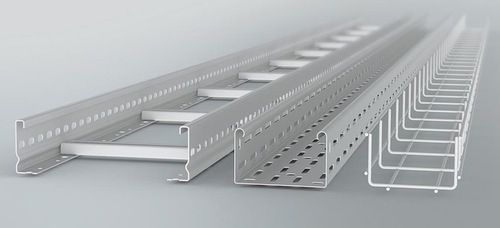
In modern electrical infrastructure, cable management plays a major role in maintaining safety, efficiency, and organized wiring systems. Cable trays are one of the most reliable solutions used across industries, commercial buildings, factories, and infrastructure projects for supporting and protecting electrical cables. With years of experience in electrical support systems, JP Electrical & Controls provides high-quality cable tray solutions designed for durability, safety, and long-term performance. What is a Cable Tray? A cable tray is a structural system used to support insulated electrical cables for power distribution, communication, and control systems. It helps organize cables properly while providing easy access for maintenance and future expansion. Cable trays are widely used in: Industrial plants Commercial buildings Data centers Power plants Hospitals Metro and railway projects Warehouses and factories Different Types of Cable Trays 1. Perforated Cable Tray Perforated cable trays are designed with holes on the surface to allow proper ventilation and heat dissipation. These trays are commonly used for medium-duty cable support applications. Advantages: Better airflow for cable cooling Lightweight and easy to install Reduces cable overheating Suitable for indoor installations Applications: Commercial buildings IT parks Manufacturing units Shopping malls Common Sizes: Width: 50 mm to 1200 mm Height: 25 mm to 150 mm Thickness: 1.2 mm to 3 mm 2. Ladder Type Cable Tray Ladder cable trays consist of two side rails connected by rungs, similar to a ladder structure. They are ideal for heavy-duty cable installations. Advantages: Excellent ventilation High load-carrying capacity Easy cable maintenance Suitable for long-span installations Applications: Power plants Oil & gas industries Heavy manufacturing units Outdoor cable routing Common Sizes: Width: 150 mm to 1000 mm Height: 50 mm to 150 mm Thickness: 2 mm to 4 mm 3. Wire Mesh Cable Tray Wire mesh trays are flexible cable management systems made from welded steel wires. These are mostly used for lightweight cable arrangements. Advantages: Fast installation Flexible design Easy cable modifications Modern appearance Applications: Data centers Server rooms Telecom industries Office spaces Common Sizes: Width: 50 mm to 600 mm Height: 25 mm to 100 mm 4. Solid Bottom Cable Tray Solid bottom cable trays provide maximum protection to cables from dust, moisture, and external damage. Advantages: Better cable protection Prevents dust accumulation Suitable for sensitive wiring Improved cable safety Applications: Pharmaceutical industries Food processing plants Chemical industries Clean room environments Common Sizes: Width: 50 mm to 1000 mm Height: 25 mm to 100 mm 5. Channel Cable Tray Channel trays are compact systems designed for supporting smaller cable installations. Advantages: Space-saving design Easy installation Cost-effective solution Ideal for light cable loads Applications: Small commercial projects Instrumentation systems Control panel wiring Common Sizes: Width: 25 mm to 150 mm Height: 25 mm to 50 mm Advantages of Using Cable Trays Cable trays offer multiple benefits over traditional wiring systems: 1. Easy Cable Management They help organize cables systematically, reducing clutter and improving maintenance efficiency. 2. Improved Safety Cable trays reduce the risk of cable damage, overheating, and electrical hazards. 3. Cost-Effective Installation Installation and maintenance costs are lower compared to conduit systems. 4. Better Ventilation Open designs improve airflow and increase cable life. 5. Flexibility Additional cables can be added or removed easily without major structural changes. Applications of Cable Trays Cable trays are used across various sectors including: Electrical substations Infrastructure projects Industrial automation Airports Commercial complexes Solar power plants Telecom industries Educational institutions Why Choose JP Electrical & Controls for Cable Trays? JP Electrical & Controls is known for manufacturing premium-quality cable tray systems that meet industrial standards and customer requirements. The company offers: Durable and corrosion-resistant products Customized cable tray sizes High load-bearing capacity Precision manufacturing Timely delivery Competitive pricing Their cable trays are designed for long-lasting performance in both indoor and outdoor applications. Conclusion Choosing the right type of cable tray is essential for safe and efficient cable management. Whether you require perforated trays, ladder trays, wire mesh systems, or solid bottom trays, selecting the correct design depends on cable load, installation environment, and industry requirements. For reliable and high-performance cable tray solutions, JP Electrical & Controls provides trusted products suitable for commercial, industrial, and infrastructure projects across India.
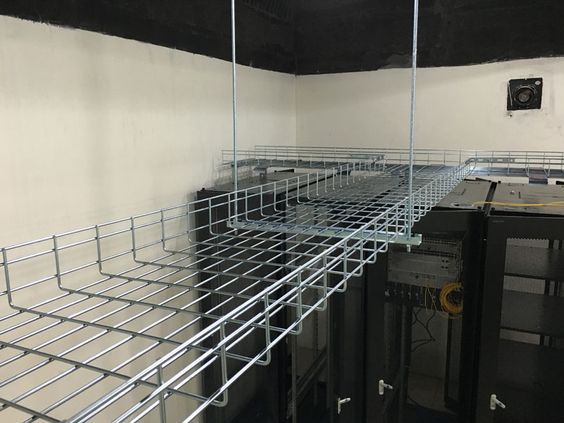
In modern electrical infrastructure, managing large volumes of cables safely and efficiently is a major challenge. This is where a cable tray system becomes indispensable. Designed to support and organize cables, cable trays are now a standard solution across industries. JP Electrical & Controls offers advanced cable tray systems that combine durability, flexibility, and cost-effectiveness for various applications. Understanding Cable Tray Systems A cable tray is a support system used to route and protect electrical wiring in buildings and industrial setups. Unlike closed conduit systems, cable trays provide an open structure, making it easier to install, inspect, and maintain cables. This system is especially useful in environments where frequent changes or upgrades in wiring are required, such as factories, data centers, and commercial buildings. Modern Features of Cable Trays Cable trays from JP Electrical & Controls are designed with modern engineering standards to meet diverse project needs. Key features include: Strong load-bearing capacity for heavy cables Corrosion-resistant finishes like hot-dip galvanization Flexible designs suitable for complex layouts Ventilation support to prevent overheating These features ensure long-lasting performance even in demanding conditions. Types of Cable Tray Solutions Different projects require different types of cable management systems. JP Electrical & Controls provides multiple options, including: Ladder Type Cable Tray – Suitable for high-load industrial applications Perforated Cable Tray – Allows airflow and reduces heat buildup Wire Mesh Cable Tray – Ideal for light-duty and networking cables Solid Cable Tray – Provides extra protection from dust and moisture Each type is engineered to deliver optimal performance depending on usage. Advantages of Using Cable Trays Efficient Cable Routing Cable trays simplify complex wiring systems and provide a clear routing path, making installations neat and manageable. Reduced Installation Time Compared to traditional systems, cable trays are quicker to install, saving both time and labor costs. Easy Maintenance Open design allows easy inspection and quick troubleshooting without dismantling the entire system. Scalability Cable trays make it simple to add or remove cables as per future requirements. Enhanced Safety Properly installed cable trays reduce risks of cable damage, overheating, and electrical faults. Why JP Electrical & Controls is the Right Choice When selecting a cable tray provider, quality and reliability are critical. JP Electrical & Controls has built a strong reputation by offering: High-quality manufacturing standards Custom sizes and designs for specific projects Reliable supply and timely delivery Competitive pricing for bulk and retail orders Dedicated customer support Their solutions are trusted by industries across multiple sectors. Where Cable Trays Are Commonly Used Cable tray systems are widely used in: Manufacturing and industrial plants Commercial buildings and offices Hospitals and institutions Power distribution units IT and telecom infrastructure Their adaptability makes them suitable for almost every electrical setup. Tips for Better Cable Tray Performance To get the most out of your cable tray system: Avoid overloading the tray beyond its capacity Use proper supports and spacing during installation Inspect regularly for wear and tear Keep cables organized to prevent tangling Proper handling ensures long-term efficiency and safety. Final Thoughts Cable trays are more than just support systems—they are a critical part of modern electrical management. Choosing a reliable provider ensures that your system performs efficiently and safely over time. With its commitment to quality and innovation, JP Electrical & Controls continues to deliver dependable cable tray solutions tailored to evolving industry needs.