
About Us
JP Electrical & Controls has emerged as one of India’s leading cable tray manufacturers, with a strong presence in Delhi NCR and across the country.
JP Electrical & Controls has emerged as one of India’s leading cable tray manufacturers, with a strong presence in Delhi NCR and across the country.
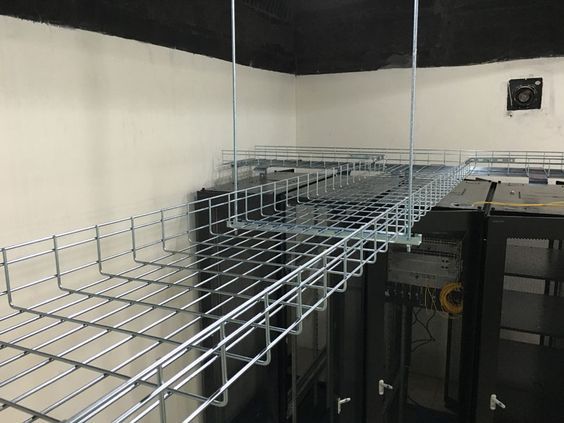
In modern electrical infrastructure, managing large volumes of cables safely and efficiently is a major challenge. This is where a cable tray system becomes indispensable. Designed to support and organize cables, cable trays are now a standard solution across industries. JP Electrical & Controls offers advanced cable tray systems that combine durability, flexibility, and cost-effectiveness for various applications.
A cable tray is a support system used to route and protect electrical wiring in buildings and industrial setups. Unlike closed conduit systems, cable trays provide an open structure, making it easier to install, inspect, and maintain cables.
This system is especially useful in environments where frequent changes or upgrades in wiring are required, such as factories, data centers, and commercial buildings.
Cable trays from JP Electrical & Controls are designed with modern engineering standards to meet diverse project needs. Key features include:
These features ensure long-lasting performance even in demanding conditions.
Different projects require different types of cable management systems. JP Electrical & Controls provides multiple options, including:
Each type is engineered to deliver optimal performance depending on usage.
Efficient Cable Routing
Cable trays simplify complex wiring systems and provide a clear routing path, making installations neat and manageable.
Reduced Installation Time
Compared to traditional systems, cable trays are quicker to install, saving both time and labor costs.
Easy Maintenance
Open design allows easy inspection and quick troubleshooting without dismantling the entire system.
Scalability
Cable trays make it simple to add or remove cables as per future requirements.
Enhanced Safety
Properly installed cable trays reduce risks of cable damage, overheating, and electrical faults.
When selecting a cable tray provider, quality and reliability are critical. JP Electrical & Controls has built a strong reputation by offering:
Their solutions are trusted by industries across multiple sectors.
Cable tray systems are widely used in:
Their adaptability makes them suitable for almost every electrical setup.
To get the most out of your cable tray system:
Proper handling ensures long-term efficiency and safety.
Cable trays are more than just support systems—they are a critical part of modern electrical management. Choosing a reliable provider ensures that your system performs efficiently and safely over time.
With its commitment to quality and innovation, JP Electrical & Controls continues to deliver dependable cable tray solutions tailored to evolving industry needs.